New research highlights a troubling connection between the relentless consumption of distressing news, known as doomscrolling, and increased alcohol use as a coping mechanism across the UK. Harvey Bhandal, MD at Sinclair Method UK, a specialist in long-term alcohol reduction, cautions that this cycle of anxiety and drinking could have lasting effects but emphasises that established treatments offer effective solutions.
The study points to a convergence of global crises, economic instability, and a nonstop media environment as key factors prompting more individuals to turn to alcohol for relief. Harvey explains that what begins as a desire to stay informed often evolves into an unconscious habit of consuming negative content, which elevates stress and anxiety levels.
He states: “Research shows this ongoing mental strain can drive individuals towards unhealthy coping mechanisms, including increased alcohol consumption.” Recent surveys reveal that 64% of UK workers drink for work-related reasons, with 40% attributing their drinking to anxiety and 38% to stress. Additionally, over half of UK drinkers (53%) have used alcohol in the past six months to manage mental health issues such as stress, according to Alcohol Change UK.
Harvey adds, “Our brains are wired to scan for danger. Doomscrolling taps into that ancient survival mechanism but in today’s 24-hour news cycle, it never switches off. As stress builds, alcohol can feel like a quick fix to calm the mind, but it actually deepens the anxiety over time.”
Historical patterns during economic downturns illustrate this complex relationship. After the 2008–09 recession, alcohol-specific deaths in the UK declined as alcohol affordability decreased. However, during the Covid-19 pandemic, when negative media exposure and social isolation intensified, alcohol-specific deaths surged by 27.4% between 2019 and 2021. Research from the Institute of Alcohol Studies shows that deaths from alcohol-related liver disease were 58.1% higher in December 2020 compared to the baseline month.
Harvey emphasises, “The link between emotional stress and alcohol misuse has never been clearer, especially among certain groups of drinkers who use alcohol as an anxiety-management tool. When external stressors rise, those people who are already using alcohol to regulate mood don’t cut back. They increase.” He notes that while many social drinkers reduce consumption during recessions or personal financial hardship, some increase their intake even without social drinking contexts.
Addressing this issue, Harvey highlights the role of science-based interventions. The Sinclair Method (TSM) is an evidence-based treatment combining the medication naltrexone with behavioural coaching and medical supervision. Supported by over 90 clinical trials worldwide and boasting an 80% success rate, TSM works by blocking alcohol’s reward response in the brain, enabling individuals to break addictive patterns and develop healthier habits without requiring immediate abstinence.
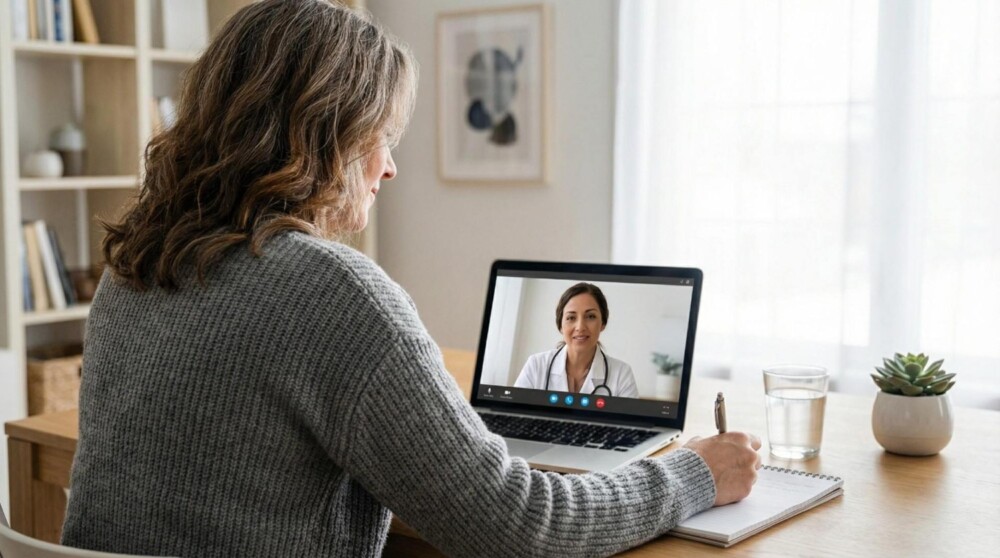
Sinclair Method UK Ltd provides prescription-based programmes that include full medical supervision from private general practitioners and personalised behavioural coaching through telephone or video consultations. Harvey explains, “The Sinclair Method helps people understand the role alcohol plays in their life and use proven medical tools to take control back, especially for those turning to alcohol because of stress or the effects of constant bad news.”
Founded with direct input from Dr Roy Eskapa, a colleague of Dr David Sinclair whose research led to this treatment, Sinclair Method UK Ltd is the only organisation authorised to use The Sinclair Method trademark in the UK.