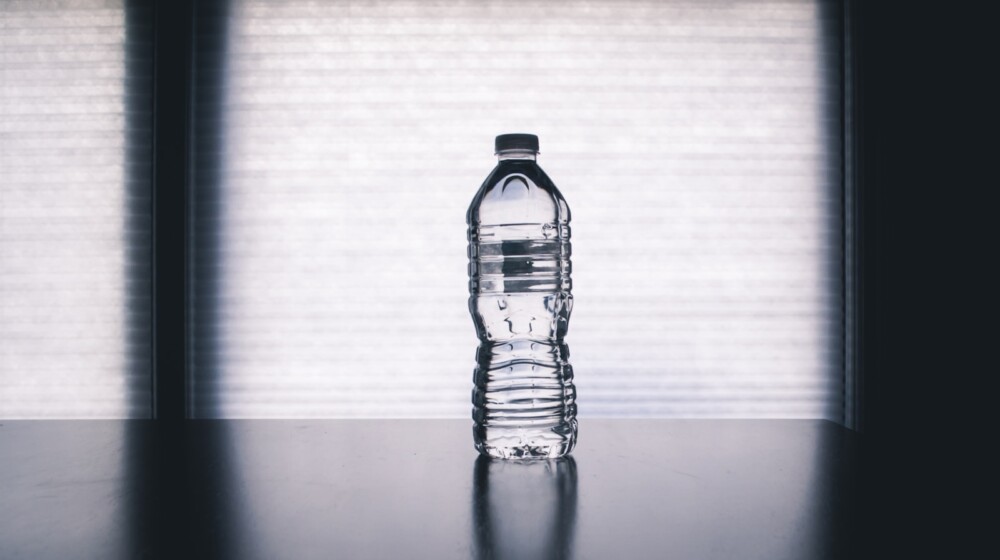
While the functional bottled water industry markets products with claims of improved health and performance, leading experts are urging consumers to be wary of exaggerated marketing and look to scientific evidence. They analyze popular ingredients like alkaline, electrolyte, and vitamin-enhanced waters, finding that many of the purported benefits are questionable or overstated for most people’s needs compared to regular water intake and a balanced diet.
As the temperatures at last begin to rise, leading hydration experts Dr. Nidia Rodriguez-Sanchez and Professor Stuart Galloway from the University of Stirling are taking aim at the science – or lack thereof – behind many of the claims used to market trendy bottled water products.
The functional bottled water industry is booming, on track to be a $30 billion business by 2032, fuelled by the rise of social media trends like #WaterTok and celebrity endorsements, consumers are seeking new efficient and more effective hydration solutions to fit their busy lifestyles.
But the narrative surrounding hydration has become obscured by marketing hype and conflicting messages. While science underscores the importance of hydration, marketing claims often exaggerate benefits, promising everything from improved athletic performance to radiant skin and anti-aging properties.
Dr. Rodriguez-Sanchez and Professor Galloway are urging consumers to look beyond the marketing hype.
Unpacking Popular Claims:
The experts from the University of Stirling’s Faculty of Health Sciences and Sport have analysed existing scientific evidence behind popular functional water ingredients. Here’s what they found:
- Alkaline water: Touted for its ability to neutralize acidity and prevent chronic diseases, Dr. Rodriguez-Sanchez says, “According to current research, the body – through the liver and kidneys – naturally balances acidity, making alkaline water’s benefits questionable at best. Most products don’t have enough alkalinity to make any real impact.”
- Electrolyte water: Marketed for improved endurance and reduced fatigue, Professor Galloway advises caution. “While electrolytes are vital for hydration, not all products are created equal. Research shows they can be beneficial during or after intense prolonged physical activity, but they’re not a one-size-fits-all solution. And if you’re already eating a balanced diet, you might not need that extra electrolyte boost.”
- Vitamin-enhanced waters: While convenient, Dr. Rodriguez-Sanchez warns: “While vitamin-enhanced waters may offer a slight wellbeing boost, they don’t necessarily improve hydration. Often the doses included are too small, and watch out for hidden sugars lurking in some brands. Most people will get micronutrients already via a healthy diet.”
A Call for Informed Choices
As the summer temperatures begin to rise, Dr. Rodriguez-Sanchez and Professor Galloway emphasise the importance of science-backed offering the following advice:
- Don’t be fooled by marketing: Focus on the ingredients and research the science behind the claims.
- Hydrate smartly: Filter or tap water remains the best choice for most people. Consider reusable bottles to save money and reduce plastic waste.
- Consult a doctor: If you have specific health concerns, talk to your doctor about your hydration needs.
The Future of Hydration
The experts acknowledge the role of the bottled water industry in providing convenient hydration options. However, they call for greater transparency and responsible marketing practices that prioritise consumer health over trendy, and often more expensive gimmicks.
Professor Stuart Galloway said:
“As the weather heats up, save your money and rather than succumbing to marketing gimmicks, try to focus on maintaining a balanced diet, staying hydrated with regular water – tap or filter is fine – and engaging in regular physical activity to support your overall health and wellbeing.
“In the realm of hydration, simplicity often reigns supreme, and the quest for optimal health begins with informed decision-making based on scientific evidence.”
Learn more about the science behind some of the functional water product claims: https://bit.ly/hydrationspotlight
Do you know how to hydrate? Try University of Stirling’s Hydration Quiz: https://bit.ly/HydrationQuiz24